<img height="1" width="1" style="display:none" src="https://www.facebook.com/tr?id=350770670836524&amp;ev=PageView&amp;noscript=1">
Skip to the main content.


Dental | Broken Teeth


My Pet Broke a Tooth. What Should I Do? A Vet's Guide for Dogs & Cats

Assessment and treatment for fractured teeth, dental trauma, exposed nerves, and painful broken teeth in dogs and cats.

For sudden dental fractures, call for walk-in advice. 

 (03) 8595 6655


Broken teeth are one of the most common dental injuries we see in pets.
They can occur after chewing hard objects, rough play, trauma, accidents, or simply biting something at the wrong angle.

While some fractures only affect the outer surface of the tooth, others expose the sensitive inner pulp, which contains nerves and blood vessels.

These injuries can be painful, lead to infection, and ultimately result in the death of the tooth if left untreated.


Does This Sound Familiar?

You may have noticed:

  • A chipped or broken tooth
  • A pink, red, or dark spot in the centre of a tooth
  • Sudden sensitivity around the mouth
  • Dropping toys or food
  • Reluctance to chew on one side
  • Bleeding from the mouth
  • Facial swelling
  • A recently broken canine tooth


Many pets continue eating despite significant dental pain. 

The absence of obvious signs does not mean the tooth is comfortable or that treatment can wait.

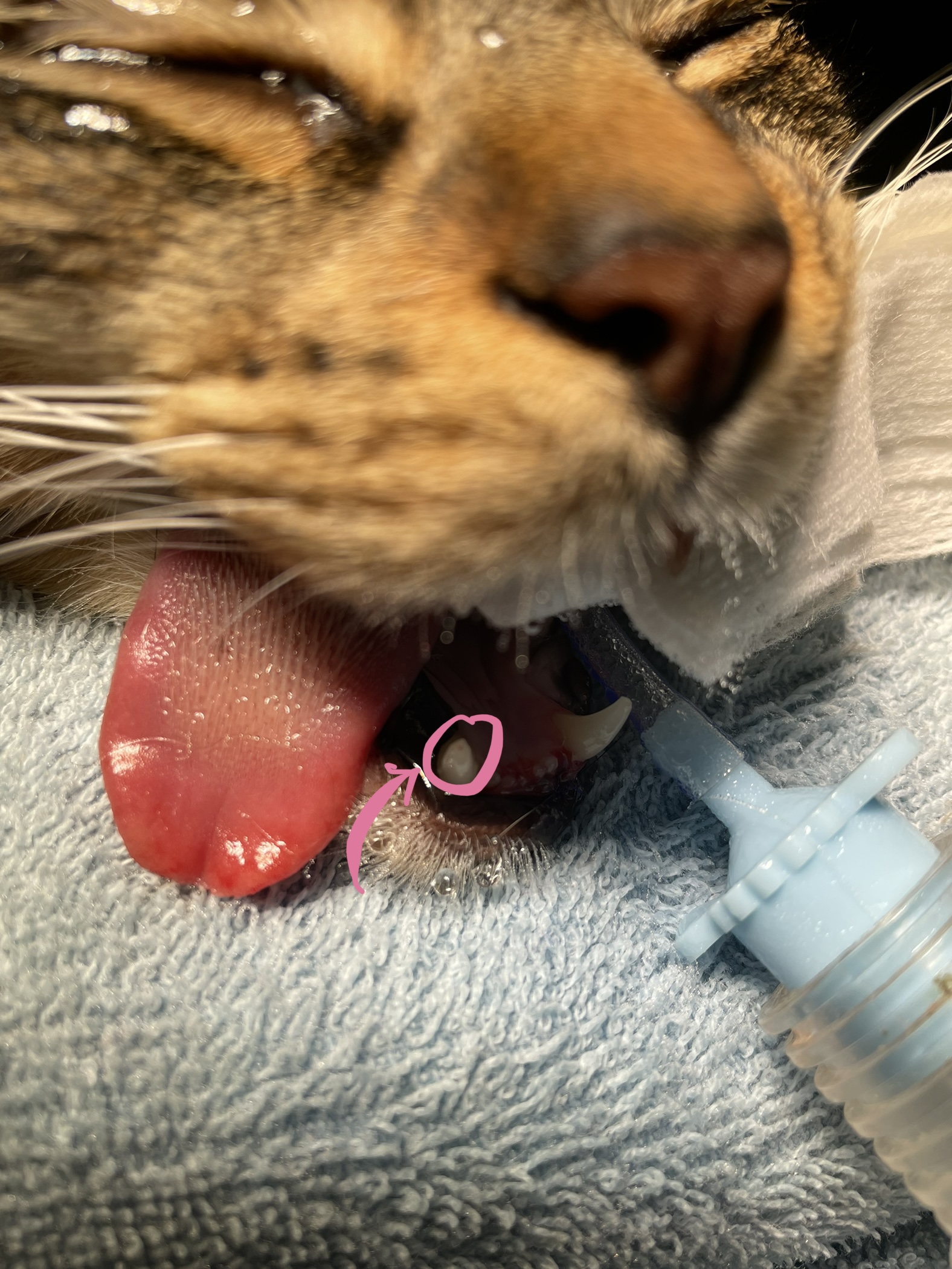
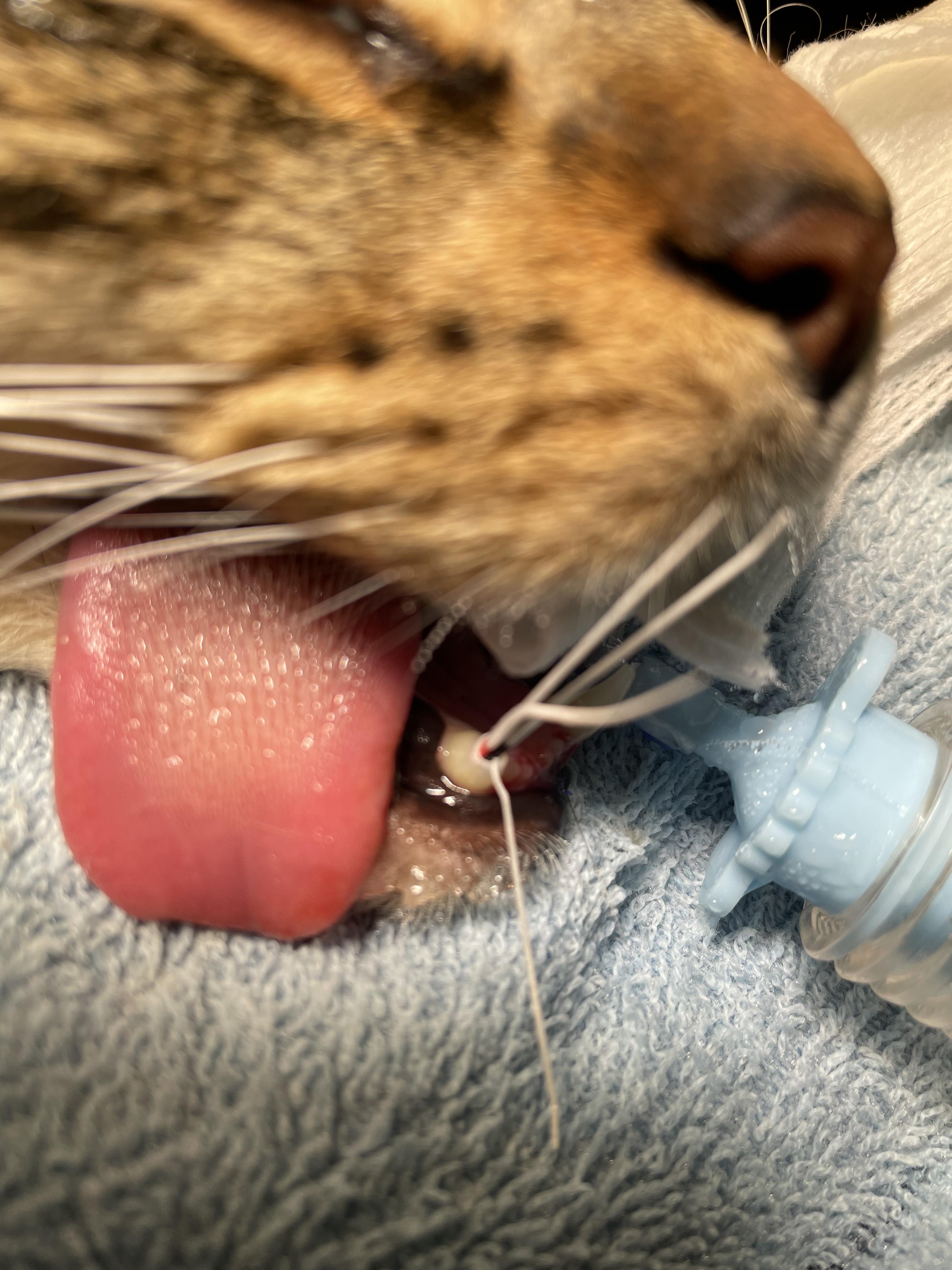
Veterinarian examining a cat with a chipped tooth during a dental assessment to identify fractures, infection risk, and the best treatment plan.
 

Why Broken Teeth Matter

Teeth Don't Heal Themselves

Unlike a fractured nail or a skin wound, a fractured tooth cannot repair itself.

If the inner pulp becomes exposed, bacteria can enter the centre of the tooth and eventually spread into the surrounding bone.

This can lead to:

  • chronic pain
  • infection
  • root abscesses
  • swelling
  • damage to surrounding tissues & teeth

Early treatment can significantly improve outcomes.


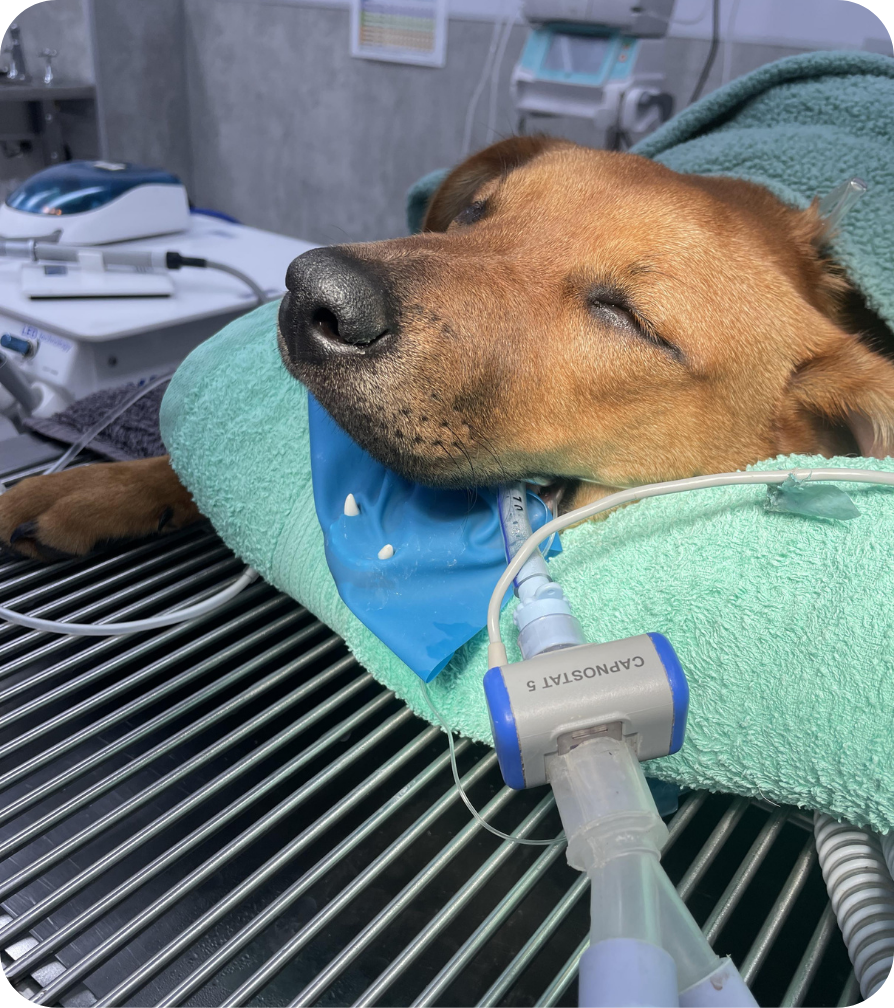
Close-up of a dog's broken tooth showing visible pulp exposure, highlighting the importance of prompt veterinary dental care and pain relief.

Not All Broken Teeth Are The Same

Chopped tooth
Fractured tooth
root fracture
crown fracture
compound fracture

Enamel Fractures

These involve only the outer surface of the tooth.

Some may require monitoring or protective treatment, such as placing a protective filling.


Complicated Crown Fractures

The inside pulp is exposed. These fractures require treatment to prevent ongoing pain and infection.

A small pink or red spot in the centre of the tooth can be a sign of pulp exposure.


Time Matters

Some Teeth May Be Saved If Treated Quickly

In selected cases, freshly fractured permanent teeth can be treated using a procedure called vital pulp therapy.

This treatment aims to preserve the living tooth by protecting the healthy pulp before irreversible damage occurs.

Because the success of this procedure depends heavily on timing, assessment is recommended as soon as possible after a fracture occurs.
 

Vetland Dental Lounge  Broken Teeth 1
 

Vital Pulp Therapy

Vital pulp therapy is generally considered for:

  • recent fractures
  • young teeth with healthy pulp tissue
  • selected traumatic injuries

The goal is to maintain the vitality of the tooth and allow it to continue functioning normally.

Not every fracture is a candidate for this treatment, but when appropriate, it can be an excellent tooth-preserving option.


Vetland Dental Lounge  Broken Teeth - Vital Pulp Therapy
 

When Extraction Is The Best Option

Not every tooth can be saved.

In some situations, extraction provides the most predictable and comfortable long-term outcome.

Factors we consider include:

  • age of the fracture
  • degree of damage
  • pulp health
  • infection
  • tooth function
  • overall oral health

Our goal is always to recommend the option that provides the best outcome for your individual pet.


Vetland Dental - When Extraction Is The Best Option

Common Causes Of Broken Teeth

Hard Chews

Many fractured teeth occur when pets chew objects that are harder than their teeth.
Examples include:

  • antlers

  • bones

  • hooves

  • hard nylon toys

  • rocks

Trauma

  • falls

  • collisions

  • rough play

  • accidents

Existing Dental Disease

Weakened teeth may fracture more easily, which is especially common in cats.


Frequently Asked Questions

Concerned About A Broken Tooth?

The sooner a fractured tooth is assessed, the more treatment options may be available.

Whether the injury happened today or months ago, our team is here to guide you through the next steps with care and compassion.

Call to arrange an urgent walk-in assessment.


 (03) 8595 6655

Vetland Dental Lounge - Broken Teeth 2