

/Graphics/Logos/Vetland/Logo_Default_200x100.png?width=150&height=75&name=Logo_Default_200x100.png)
My Puppy's Baby Teeth Haven't Fallen Out
Early assessment and treatment for retained baby teeth, overcrowding, and developing bite abnormalities in growing puppies.

Does This Sound Familiar?
You may have noticed:
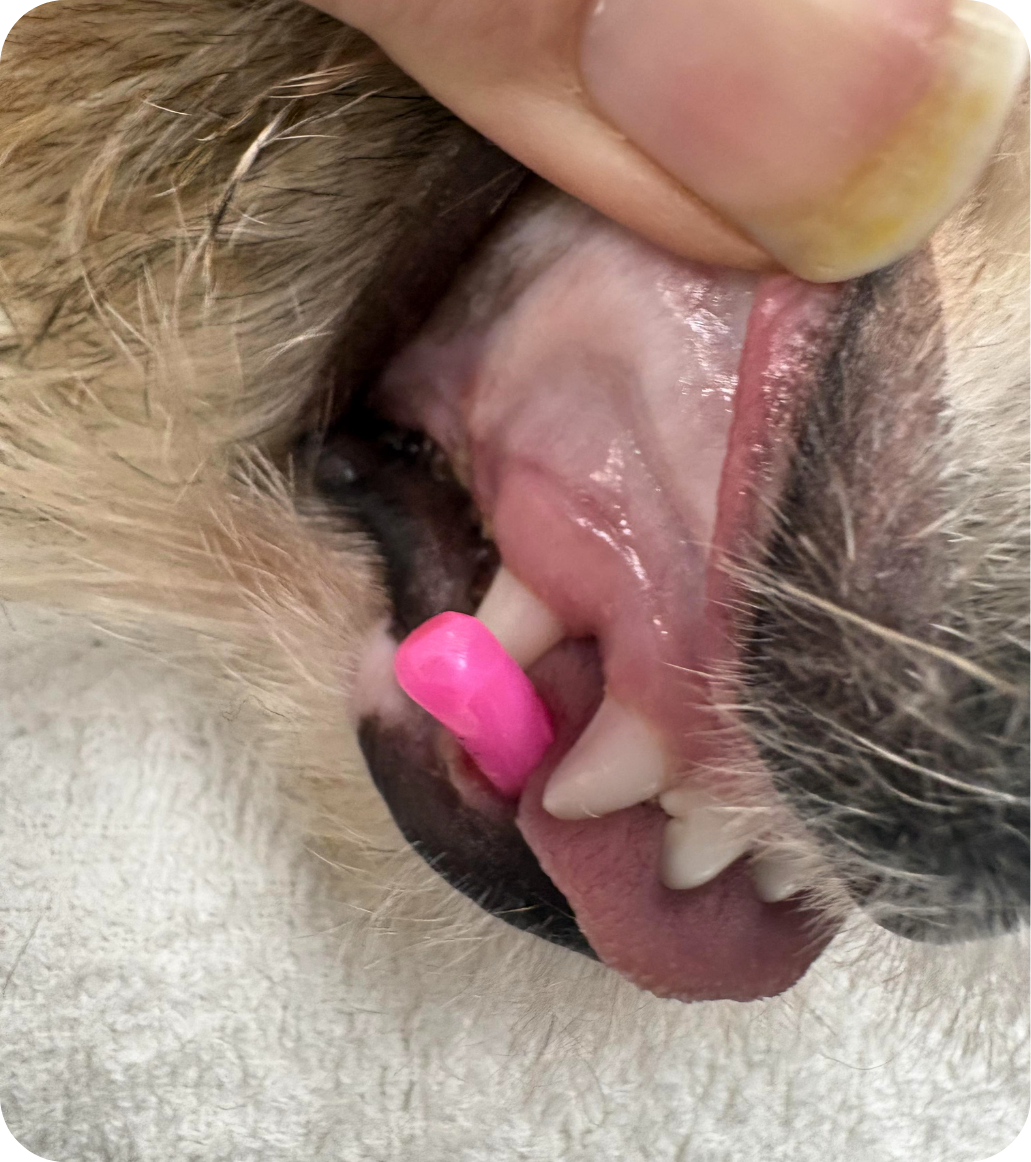
- Two canine teeth sitting side by side
- A "double fang" appearance
- Adult teeth coming in crooked
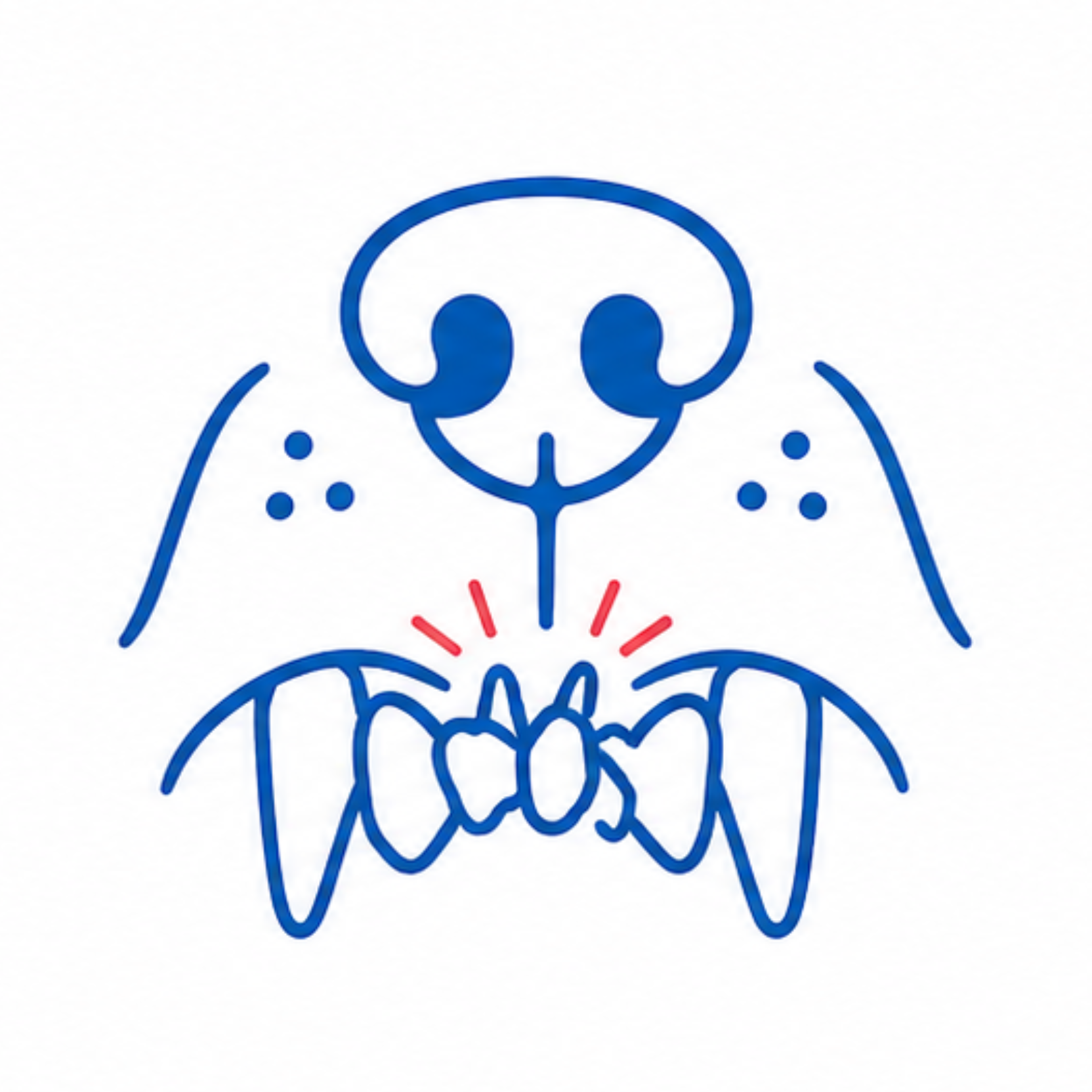
- Crowded teeth
- Food getting trapped between teeth
- Bad breath in a young puppy
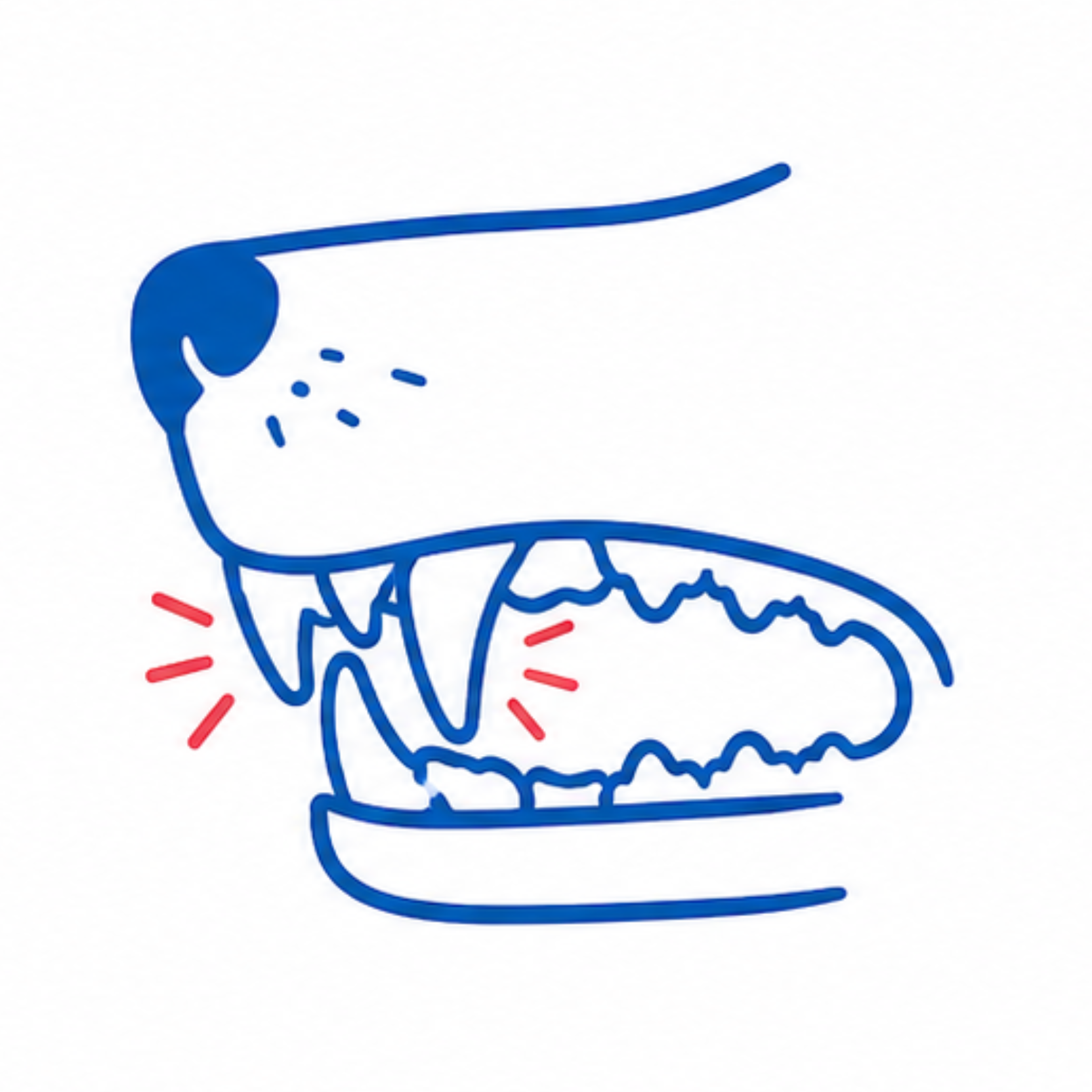
- Lower canine teeth growing into the roof of the mouth
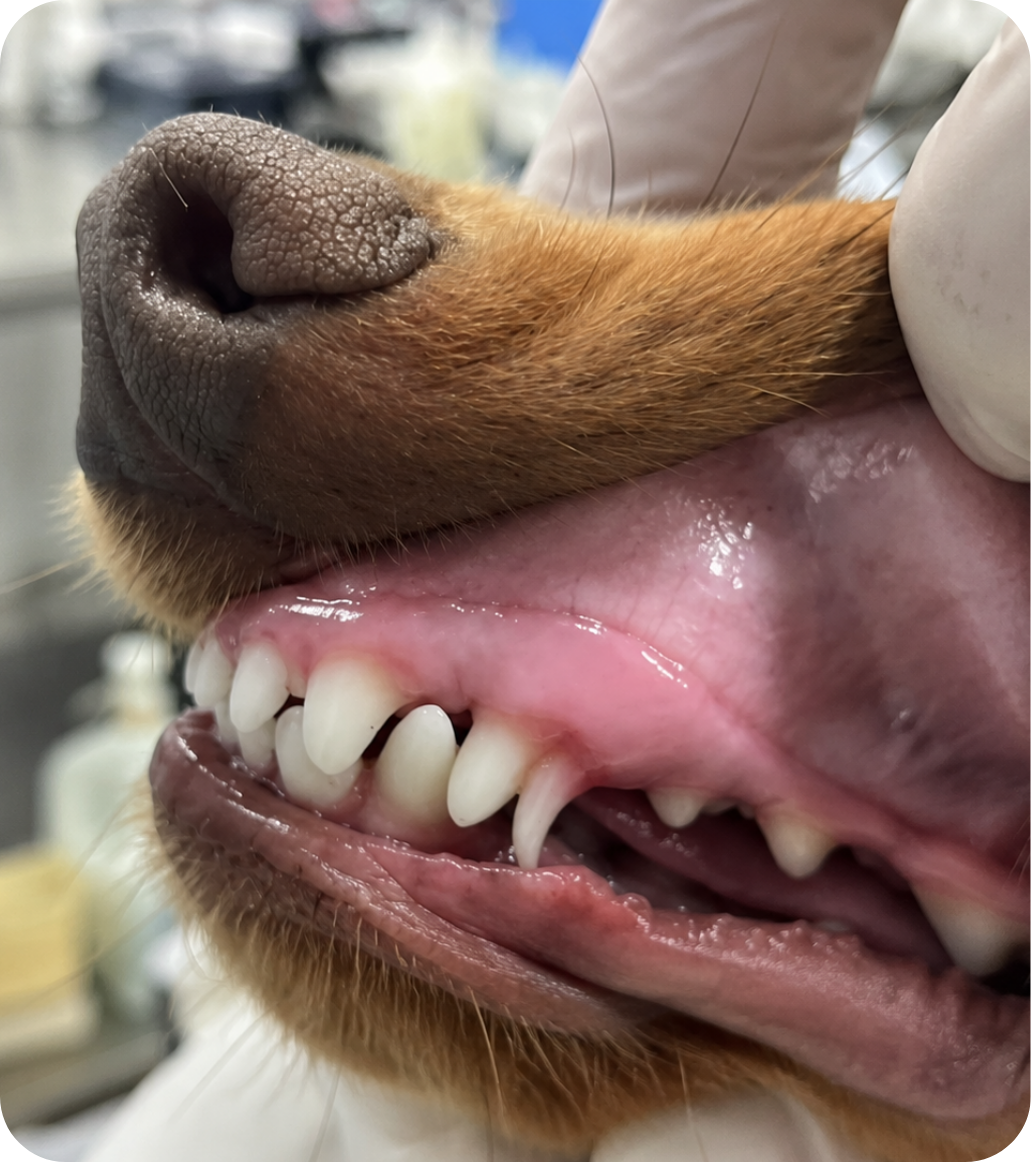
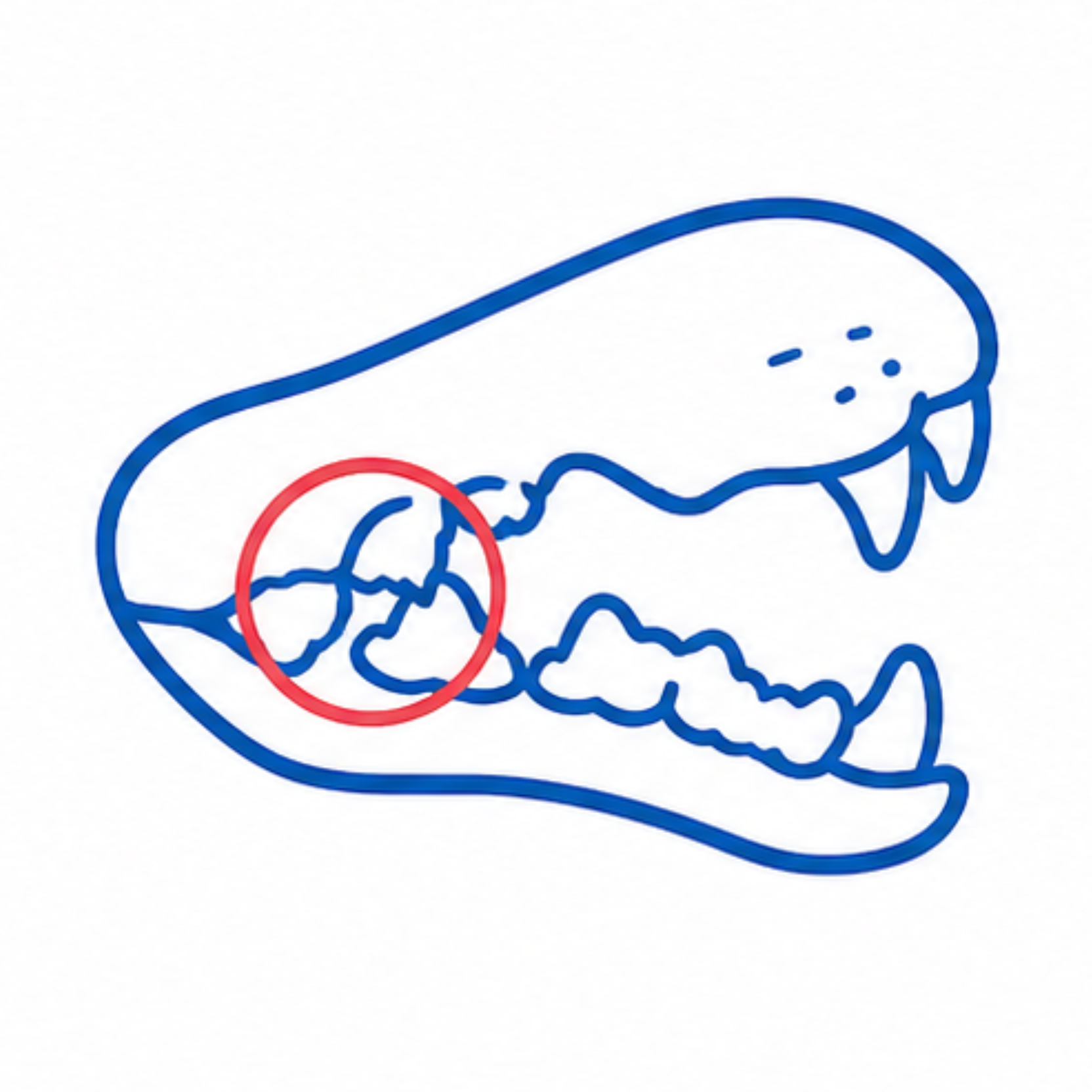
What Are Retained Deciduous Teeth?
Puppies have baby teeth just like children.
As the adult teeth develop beneath the gums, the roots of the baby teeth normally dissolve, allowing the baby teeth to loosen and fall out.
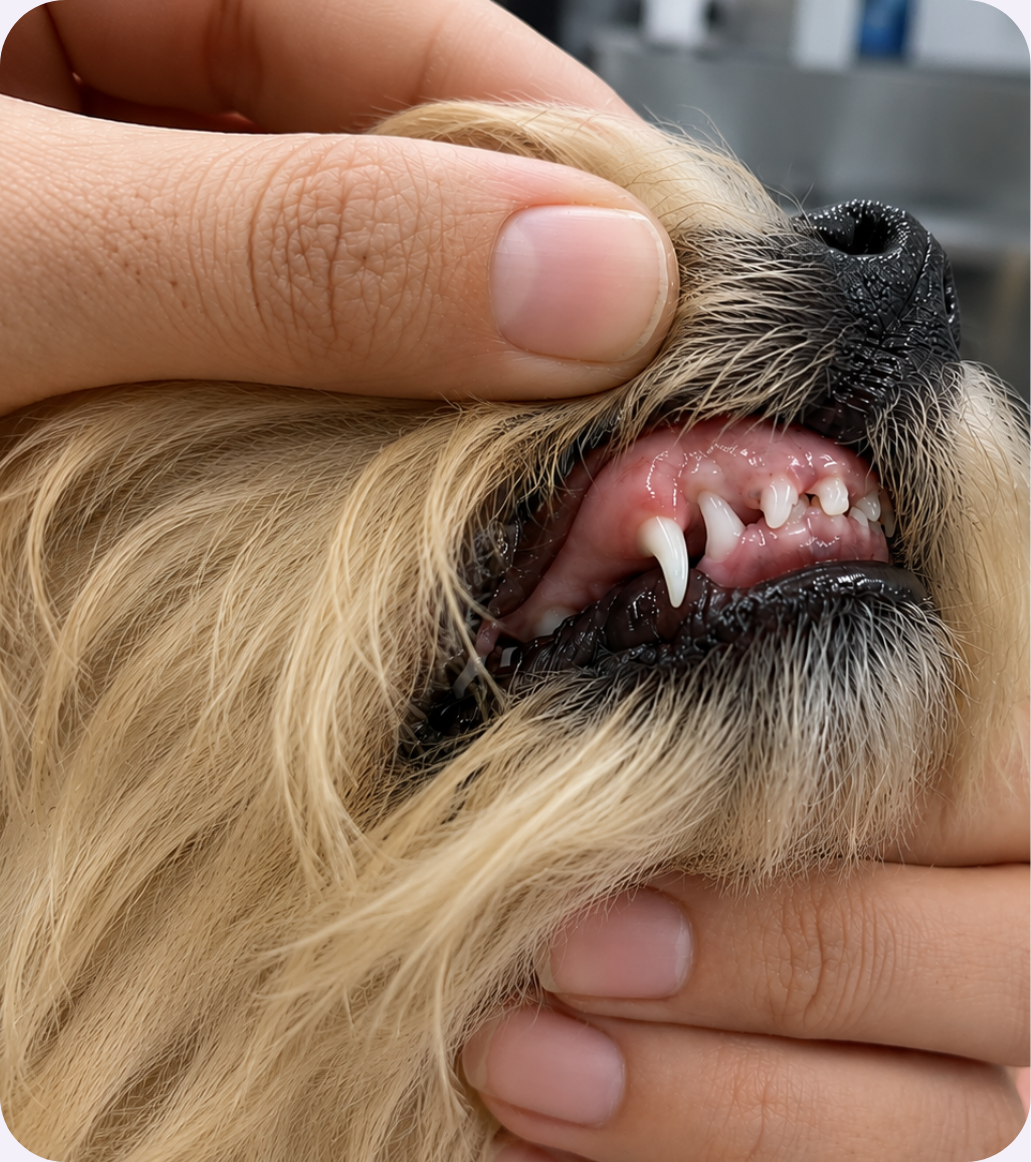
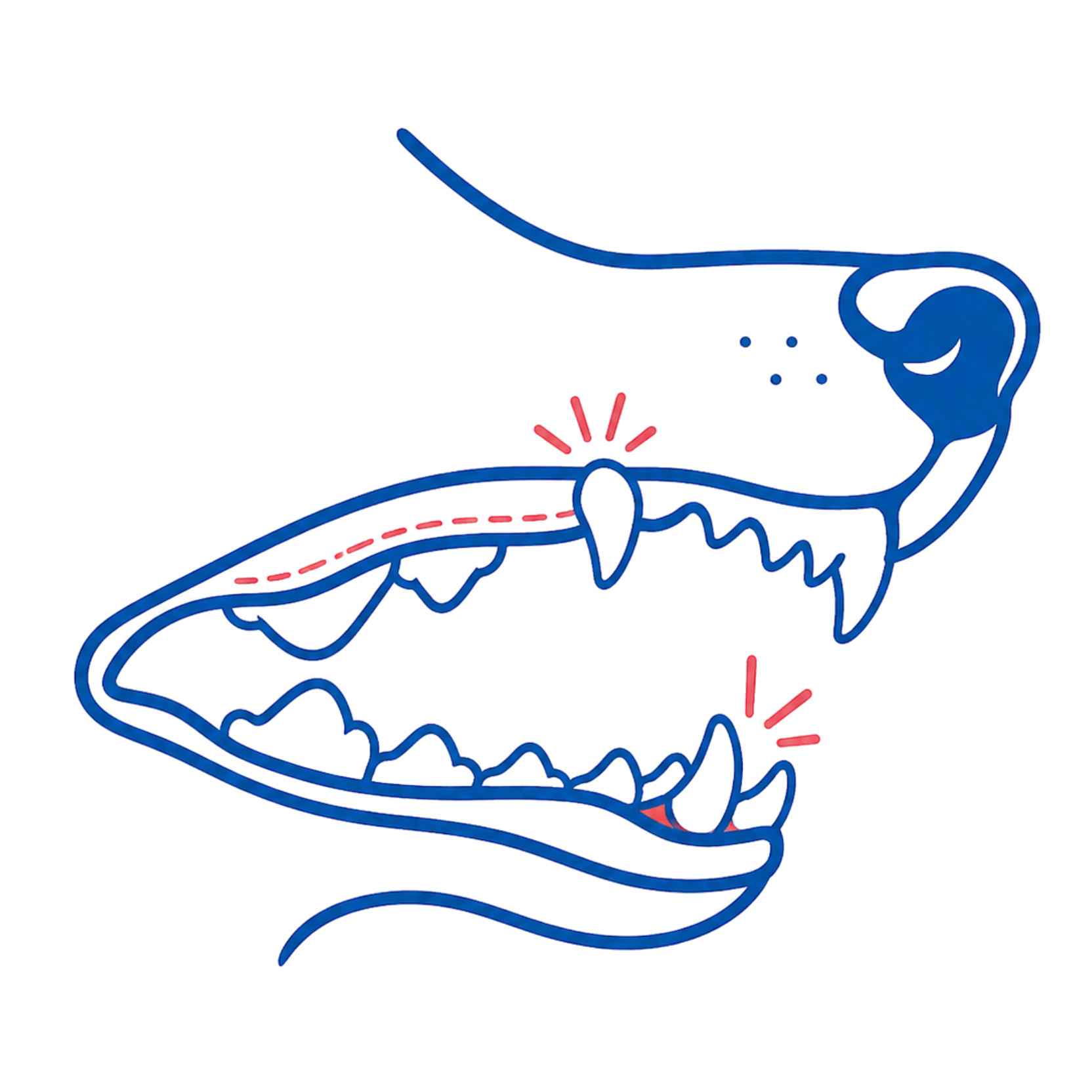
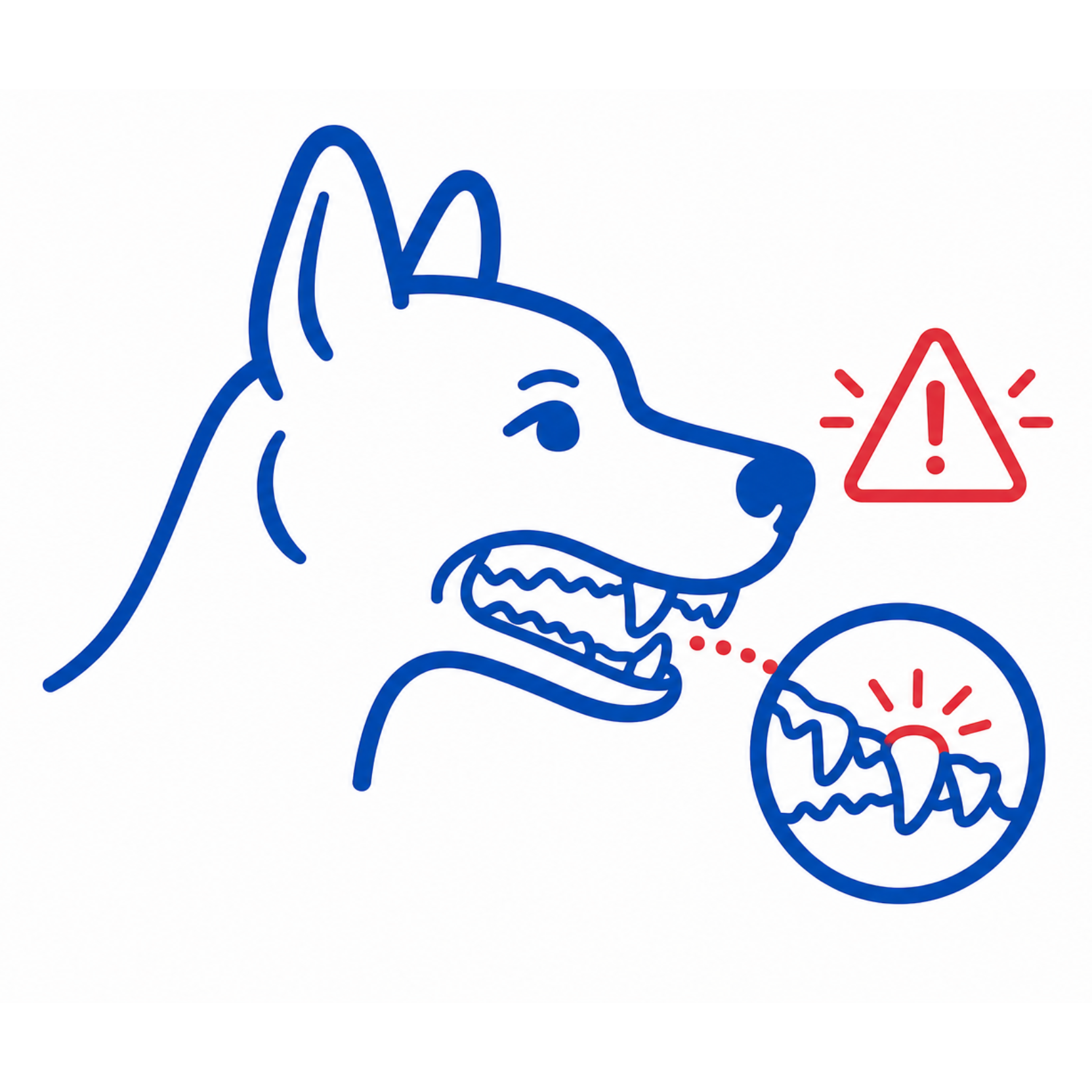
When this process doesn't occur properly, both teeth remain in the mouth at the same time.
The adult tooth is then forced to erupt around the retained baby tooth rather than into its normal position.


When Should Baby Teeth Fall Out?
Typical Eruption Timeline
4–5 Months: Incisors begin changing.
5–6 Months: Canines and premolars begin changing.
6–7 Months: Most puppies should have lost their baby teeth.
Important Note
If an adult tooth is visible and the baby tooth is still present, this is an abnormal situation.
Assessment is recommended.
Treatment
Creating Space for Healthy Development
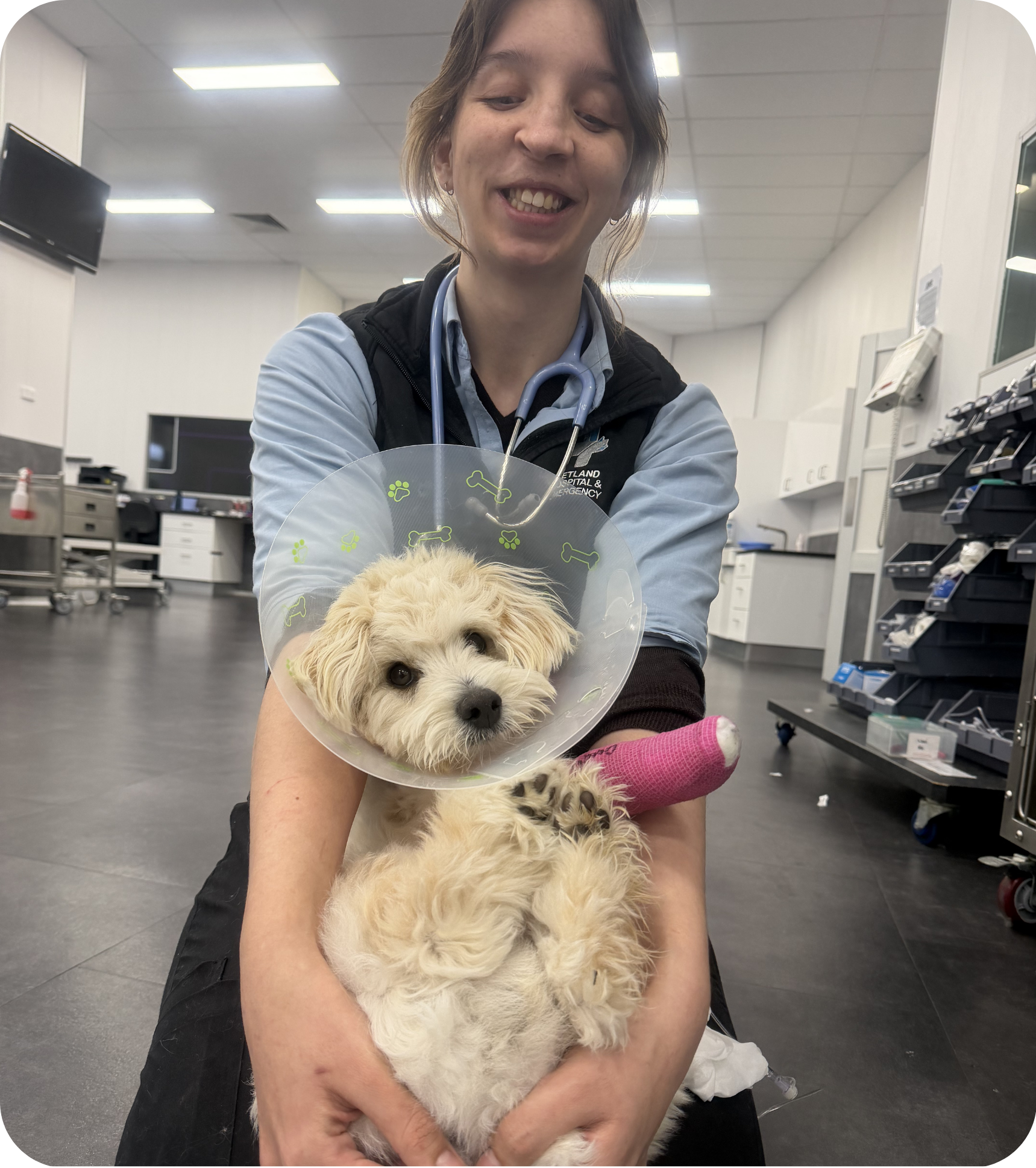
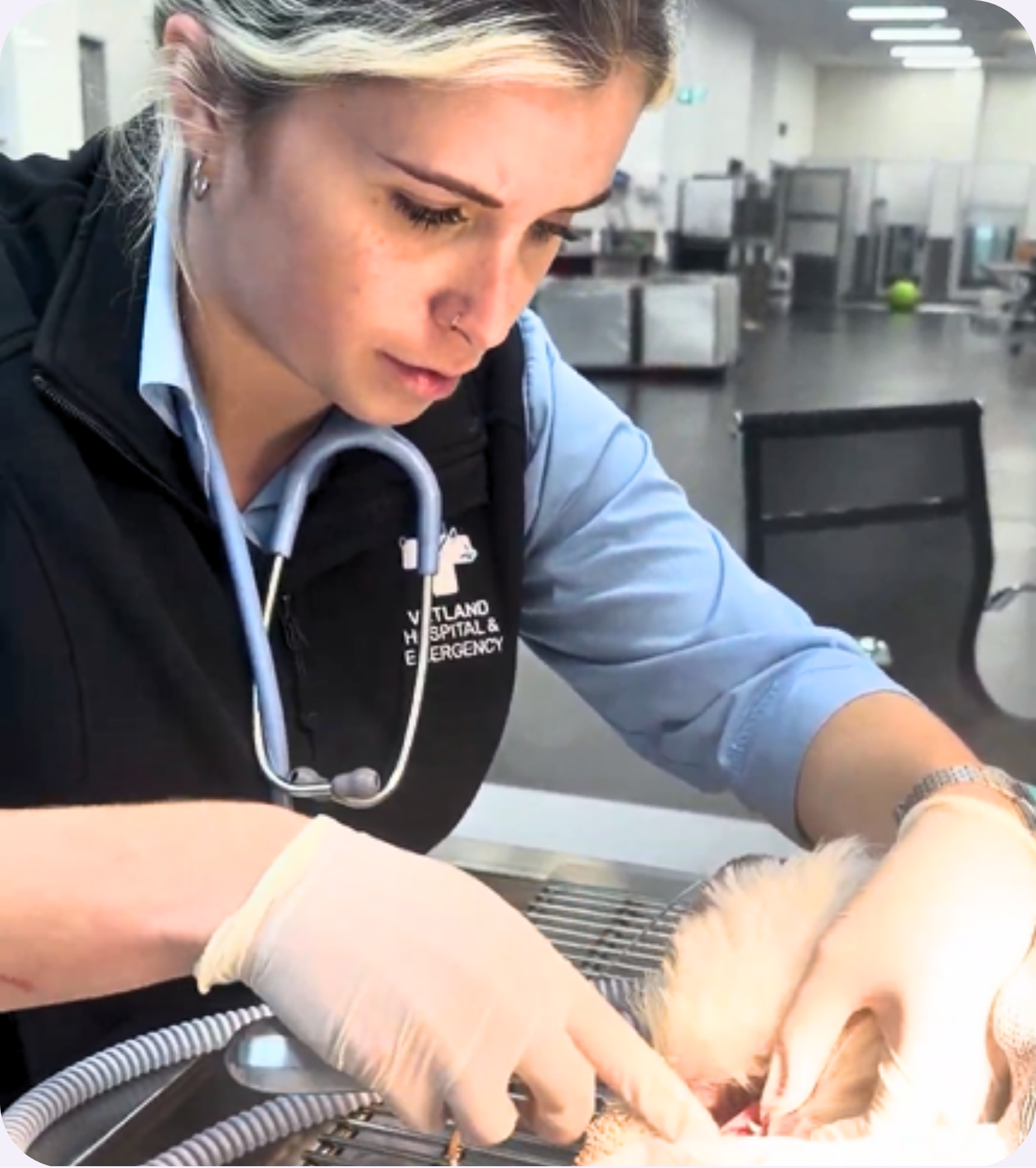
Treatment is usually straightforward and performed under combination therapy or local and general anaesthesia.
The retained baby tooth is carefully extracted while preserving the surrounding adult tooth and developing structures.
The goal is to allow the adult tooth to continue moving into its correct position.
Sometimes Additional Treatment Is Needed
If a retained baby tooth has already contributed to a developing malocclusion, additional treatment options may include:
- Crown extensions
- Incline planes
- Gingivoplasty
- Strategic extraction
- Other orthodontic interventions, like braces!
Every puppy is assessed individually.
Why Timing Matters
The Earlier We See It, The More Options We Often Have
Puppies are still growing.
Once adult teeth have fully erupted and jaw development is complete, our options for correcting abnormal tooth positions become more limited.
Early intervention often allows us to guide development before permanent damage occurs.

Case Study Section
Ginger’s Story
Ginger's retained baby canine teeth prevented her adult teeth from erupting normally; early intervention helped create space for healthy development and avoided more serious complications later in life.


Not Sure If Your Puppy's Teeth Are Developing Normally?
A quick assessment can identify retained baby teeth and help determine whether treatment is needed.
Navigate To
About Us
Submit A Request
Get In Touch

© 2026 VetLand Hospital and Emergency